The Chronicle is fortunate to have a fleet of columnists and contributors who not only are experts in their various specialities within the horse world, but also happen to be excellent writers willing to share their knowledge and viewpoints with our readers. Sharing opinions can be an uncomfortable business, especially in the Wild West of social media comment sections, but these writers stepped forward regardless to promote ideas that are starting conversations and steering the industry into the future.
Here are some of the most impactful columns our contributors wrote this year, listed in chronological order:
See Something, Say Something: We Need A Strong, Immediate Response To Abuse
“Much of what some people do to the horse in an effort to win is hard to believe and impossible to understand,” DiAnn Langer, president of the Youth Show Jumping Foundation, said in one of the Chronicle’s most-read opinion pieces of the year, published in the December 2024 issue of the Chronicle and on COTH.com in January. Langer laid bare some shocking allegations of abuse in the sport and exhorted horse people to speak up and report abuse to help root bad apples out of the sport.
Read the rest here.
No, You Don’t Have To ‘Push Through Your Fear’ In Order To Get Over It
Sports psychologist Janet Sasson Edgette, Psy.D., M.P.H., helped pioneer the application of modern performance enhancement principles to the equestrian industry. In January, she wrote about what she sees as one of the most pervasive fallacies in horseback riding, the one that traces back to that idea of getting right back on the horse when you fall off.
“Of the many untruths I have to push back against when working with riders, this one is a biggie: the idea that in order to get over your fear of riding after a fall or runaway or crash, you have to push through it,” she wrote. “You don’t. And you probably shouldn’t.”
Read her advice about what to do instead here.
Can We Create A Kind, Sustainable, Accessible Horse Industry?
Technically, dressage trainer Eliza Sydnor Romm wrote a blog with that title in December 2024, upon returning from the U.S. Dressage Federation’s annual convention, where she shared the findings from a survey she did of 1,500-plus horse industry professionals, including the four biggest issues that emerged. But it was in 2025 that Romm dug into each of those four major challenges—long-term financial planning, business management, making boarding operations financially sustainable and managing employees—one at a time. Her blog on the last topic, “The Business Of Boarding Horses: Balancing Passion And Profit,” was one of our most-read stories of the year.

Romm’s survey revealed some stark truths—”In my survey of over 1,500 horse professionals, more than half of respondents had no long-term investments outside of their horses, their property and their equipment,” she wrote about financial planning—and serious pinch points the industry needs to address, while her stories took a look at how professionals around the country are doing so successfully.
“The horse industry suffers mightily from what economists call the ‘passion tax’: You love horses so much you’re willing to operate at a loss, just to stay in business,” she wrote.
Find the entire series, as well as Romm’s other blogs, here.
ADVERTISEMENT
Opinion: USEF Must Do Better In Fighting Horse Abuse
“Tradition, paired with how horses are viewed ideologically across different membership segments, poses a challenge to defining and enforcing strict welfare standards that we can all agree on,” Caroline Howe, an amateur hunter/jumper rider and founder of the Horse Welfare Collective, wrote in an open letter to the U.S. Equestrian Federation in May. “But tradition and human ideological differences don’t change a horse’s physical and psychological needs. Or what causes them pain, stress, and discontentment. Our traditions, biases and sport must not supersede horse welfare.”
Howe’s letter detailed several horse-abuse reports sent to USEF and the progress and outcomes of those investigations, arguing that the federation was not engaging in a “strong, immediate response to abuse.”
Read her letter here.
USEF Calls Community To Unite As Guardians Of Horses And Horse Sport
On the same day Howe’s open letter was published in the Chronicle, U.S. Equestrian Federation Chief Executive Officer Bill Moroney and Chief Operations Officer and general counsel Sonja Keating wrote their own letter to federation members, in response to “recent opinion pieces.” The letter outlined steps USEF is taking to improve horse welfare and asked members to do their part as well:
“Your vigilance will promote a safe and respectful environment for our horses to train and compete. Our equestrian community must unite and uphold standards of good conduct, where every member actively fosters an environment of accountability and respect.”
Read the letter here.
Opinion: It’s Time To Let Go Of The Whip
“I’ve been riding horses for more than three decades—long enough to remember when carrying a whip wasn’t optional, it was expected,” five-star eventer Matt Brown wrote in June. “But times change. And more importantly, our understanding of horses—and of what constitutes ethical, effective training—has changed too. It’s time we talk, seriously and without defensiveness, about whether the whip still belongs in competition. Because I believe it doesn’t. Not anymore.”
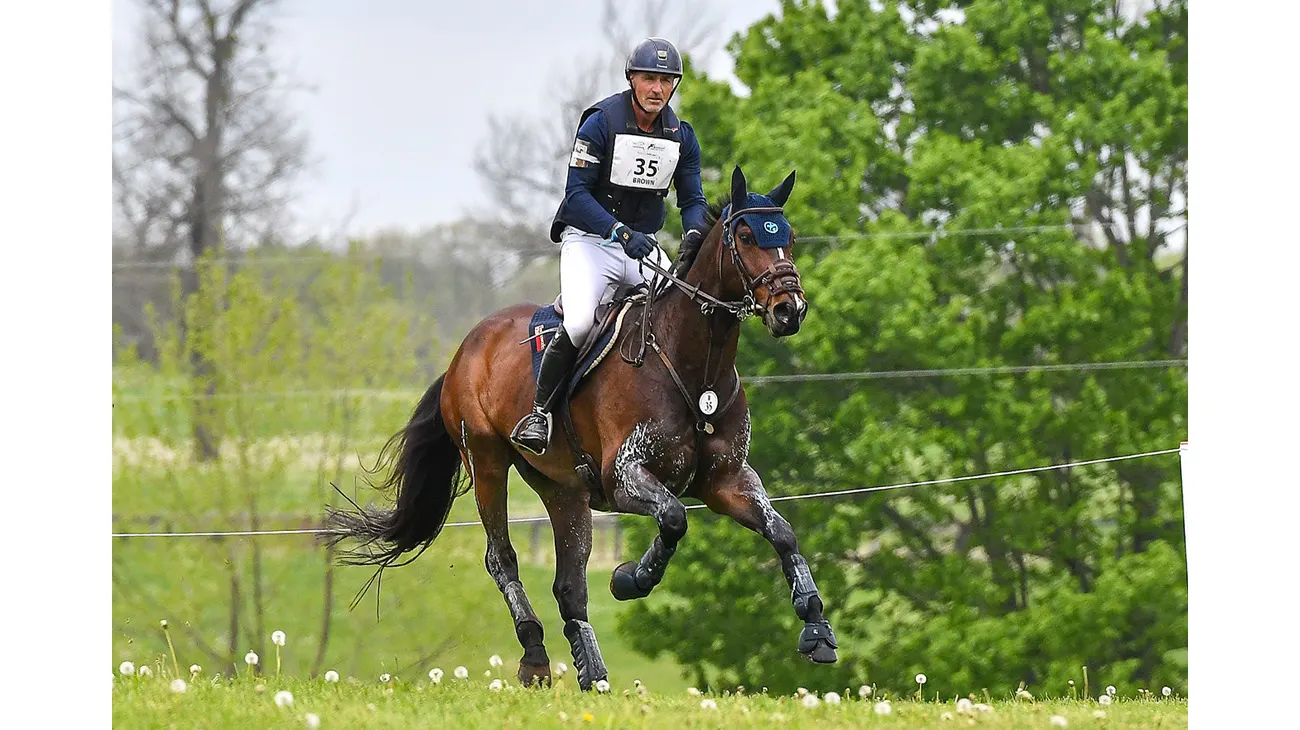
Brown wrote that he had proposed a rule change to both USEF and the Fédération Equestrian Internationale that would limit whip use in the jumping phases to one strike per use and only allowing the whip to be used for encouragement to reinforce the natural aids—not as a punishment. His proposal drew lively debate during the committee process, he wrote, adding, “It was during some of those debates where I started asking myself if it might be simpler to just get rid of whips in competition completely.”
Read his entire article here.
Opinion: We Know Microchips Save Lives, But Can USEF Do Even More?
In July, the Chronicle’s resident expert on abandoned horses, contributor Christina Keim, author of “Unwanted: The Causes and Effects of America’s Horse Population Crisis,” took the reporting she’d done for a story about a former champion 3’6” hunter being saved from slaughter by her microchip, to ask a broader question: Now that microchips are mandatory for all horses competing in federation-recognized competitions, she asked, “What if USEF followed in the footsteps of The Jockey Club and the U.S. Trotting Association by enhancing its database to also link a horse to previous owners, breeders, or other connections who are willing to help in a time of need?”
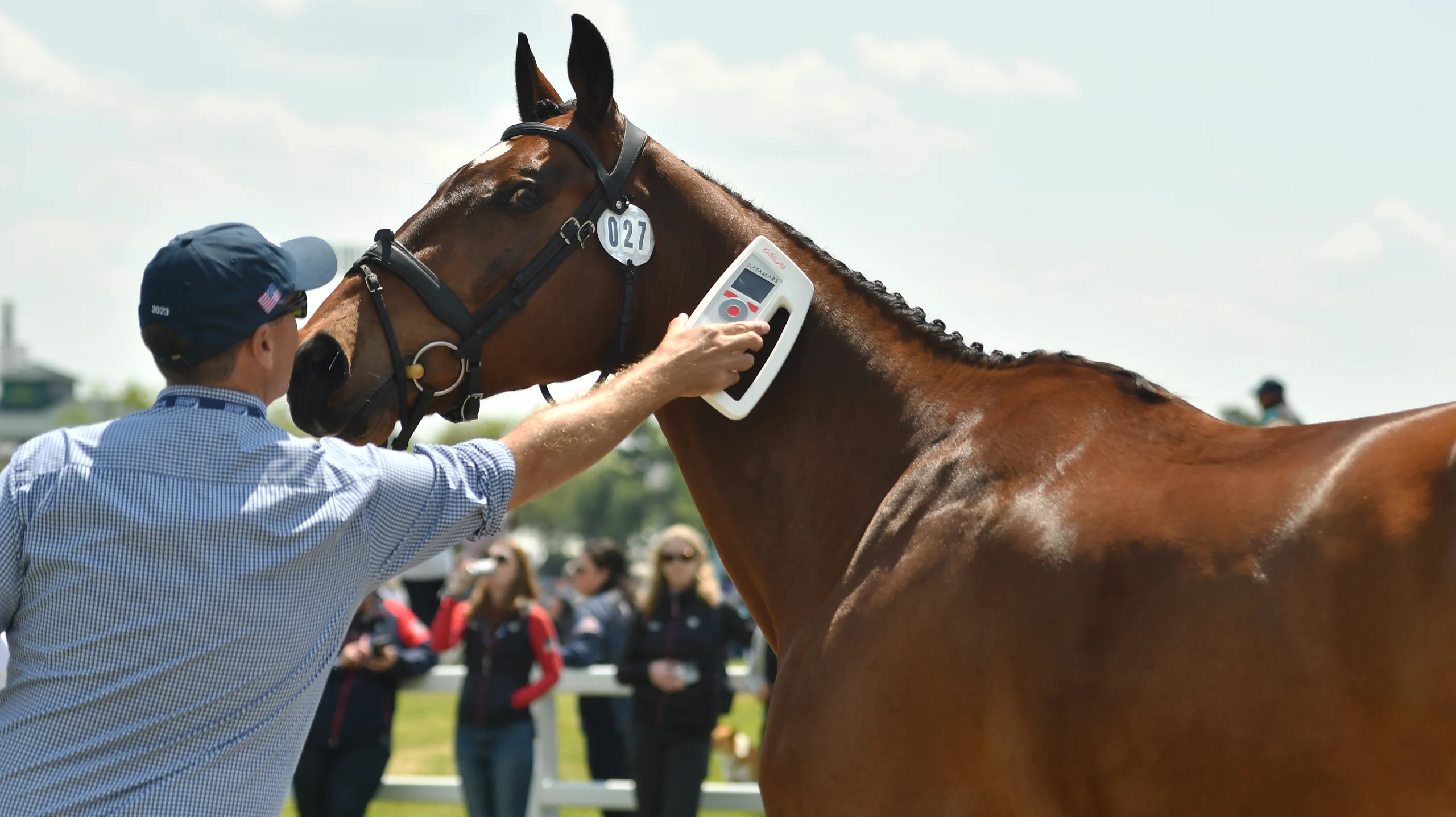
“A professional quality microchip scanner costs between $300 and $400, and many rescue groups and other equine advocates are beginning to use them routinely,” she wrote. “If USEF were to create a method for their registered horses’ records to include a list of “equine emergency contacts” who would be willing to provide a safe landing for that animal, such a list could provide a starting place for owners, rescues, and others who network horses at risk to connect with the people most likely to help.”
ADVERTISEMENT
Read the complete story here.
Opinion: We Can Remedy The Scourge Of Overuse In Horse Showing
Whether to enact specific limits on how frequently horses are shown was a welfare issue the hunter/jumper world grappled with all year.
In June, the U.S. Equestrian Federation decided to adopt a position statement on overuse, rather than adopting numerical class limits—a decision that received mixed reactions from membership. In December, at the U.S. Hunter Jumper Association’s Annual Meeting, Moroney presented preliminary data on the topic.
Between those two events, in August, longtime Chronicle columnist Armand Leone urged the federation and its members to take a stronger stand on the issue, saying in part, “There is no union for horses, but there are examples of fair horse usage rules already in place.”
“Most USEF stakeholders have a conflict of interest in this discussion: The more that horses compete in USEF competitions, the more money is made by competition managers, trainers, riders, owners, veterinarians and USEF,” Leone noted.
Read the rest of his column here.
The Emperor Has No Clothes
Longtime Chronicle columnist and Grand Prix trainer Jeremy Steinberg weighed into the international fray over photographs of horses—particularly dressage horses—that seemed to tell a story, all too commonly, of unhappy, stressed partners being pressured beyond their comfort zones.
In his Between Rounds, published in print and online in September, Steinberg talked about how the sport of dressage has evolved over the years, for the worse in terms of horse welfare, and wondered whether his fellow riders were so invested in promoting its positives that they are simply pretending its negatives don’t exist—like the clothes on that fairy-tale emperor.
“These changes are again going on right under our noses, no pun intended, while we just keep talking about how great the sport is, how much we love our horses, and all the while, trying to silence the critics,” he wrote. “We keep getting told by the royalty of the sport that they know better than the novice riders, and they love their horses. The public keeps hearing from the stars of the horse sports that these things are being blown out of proportion, and the public just isn’t educated. I very much beg to differ.”
Read his complete Between Rounds here.
Where Have All The Dressage Kids Gone?
Youth dressage coach Nicole DelGiorno was inspired to write about this topic after spending a week serving as a chef d’equipe at the FEI North American Youth Championships in Michigan. DelGiorno believes that dressage would become more popular with children if there were more age-appropriate milestones. In a column full of detailed, actionable suggestions for doing just that, DelGiorno also landed a pop-culture soundbite that got to the heart of the issue:
“Right now there are hundreds of kids out there itching to ride a musical freestyle to Taylor Swift—they just don’t know it yet.”
Read her entire column here.